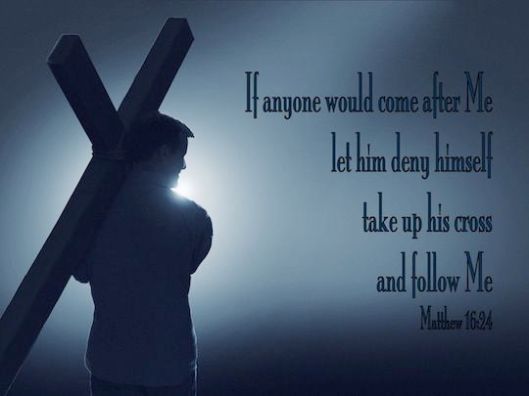
A young girl sat alone in her sadness. She had fought with the people she loved and was feeling awful and worthless.

As she sat looking at her feet, saddened by what had happened she heard footsteps as a figure approached her.
“What’s the matter?” the figure asked her.
“It doesn’t matter” She replied, not moving and not really sure that she wanted to share her hurts with a complete stranger.
“Of course it matters” The figure told her. “They don’t want you to know it matters but it does matter.” He added.
“They who?” She asked still not looking up.
“They anyone, especially those who are meant to care for you and protect you.” The figure replied. “IF they accepted that it mattered they would have to accept that they failed you.”
“It’s not them it’s me.” Her only offering in response as she thought about what he said.
“Why you?” He asked.
“I have problems.” She told him “Lots of problems.”
“That isn’t your fault.” The figure offered. “And anyway if they loved you they would accept your problems.”
“They hate my problems.” she commented mournfully “and wish I would never even mention them.”
“Well they are your problems and are a part of you.” The figure offered. “I accept you so I accept your problems, and besides to not accept your problems is to say they aren’t important and they are important, you are important, look at how much you have already suffered for them.”
Still not looking up, the girl thought about what the figure was telling her.
“I have suffered a lot that is for sure” she mumbled.
“Yes I know you have.” The figure smiled. “And to simply expect you to forget your problems is like saying forget all that suffering it isn’t important.”
Again thew girl didn’t move but thought hard about what the figure was saying.
“If only you knew.” she whispered.
“But I do know.” the figure offered and as if from nowhere he offered her a box with her name on it and the word “Bullying”
“Wh, what’s that?” The girl asked.
“It’s yours.” The figure offered. “See it has your name on it and it is just one of the things that you have been through.” He paused for a moment or two simply holding out the box before her for her to take. “I told you. I understand and I accept you and I accept your problems. I don’t want you to hide them away of get rid of them as if you never suffered from them.”
Slowly, nervously, uncertain of her actions, the girl reached out and accepted the box and placed it alongside her.
But as soon as she had placed it down beside her so the figure offered her another one labelled with something else that she had been through. And then another and another.
“See,” the figure told her, “I do know you and I do understand and I do accept you and your problems and I don’t think you should let anyone discount them. They are part of you.”
Before long the girl was having trouble managing all the boxes. Each one with her name and each one representing something that she had experienced and suffered through.
“I can’t cope with them all.” She said in an urgent panic.
“I know.” The figure told her. “But it is important that people recognize what you have been through and the pain that you have suffered. They are all part of you and if people accept you they should accept each part of you.”
“But there are too many” The girl complained.
“It’s ok.” The figure told her. “Just stack them up on top of each other and keep them close around you so that you don’t lose any or let anyone refuse to accept them.”
Responding to the figure’s suggestion the girl did as he said and started stacking them up around her and keeping them close.
“I think I am finished.” The sad girl offered weakly and nervously from behind her stack.
But there was not response.
“Are you there?” she called to the figure.
Still no response.
Tired from all the effort of being faced with all her problems and pain the sad girl simply sat now even sadder and even weaker than before. Too tired to even move and not even sure where she would go since the boxes with all her problems on were now built up all around her, she stayed sad, alone and lost for what seemed like ages.
“It doesn’t have to be this way.” A soft gentle voice called to her from the other side of the wall that she had built. “You can find your place and direction in life.” He offered.

“Wh, who are you?” She asked nervously. “Are you the one who gave me all these boxes?
“No, child.” The man told her. “I am Christ and I am not the one who gave these to you.”
“Maybe not.” She responded more out of frustration and pain than out of belief. “But you didn’t stop them coming to me did you?”
“I couldn’t.” He explained, His tone full of compassion and love. “For love to be real it must be given freely and it can only be given freely if it is given by choice and in order for someone to have the choice to love they must also have the choice to hurt.”
The girl listened with great sadness and yet as she did so the truth of His words found a home in her heart.
“But I didn’t deserve all this” she whispered mournfully.
“No my child you didn’t and you don’t deserve to be imprisoned by it all either.” Christ replied.
“But the figure,” she offered, “he told me they were mine, that I had paid a dear price for them and not to let anyone discount them or take them from me.”
“They are yours.” Christ replied lovingly. “They are yours and yes you have paid such a dear price for them. But they are yours to do with what you want not to be imprisoned and burdened by them.”
“So what do I do with them?” The girl asked. “They cost me so much and I don’t want them to go to waste”
“Break free from them.” Christ offered. “Break free from them and turn them into something useful and good.”
“But how?” The girl asked not even sure she could do such a thing.
“With my help” Christ offered lovingly. “I can’t take these from you or use them unless you freely give them,” he added. “For you to hang on to them is to burden and imprison yourself behind them. But with my help we can use them not to build walls and barriers but to build bridges and to reach out to others who are hurting and who need love and acceptance and healing,”
“And I could do that?” The girl asked, for the first time is such a long time seeing hope instead of helplessness.
“Yes. you can do that.” Christ offered. “We can do that together and together we can help a hurting world.”
With tears in her eyes, hope in her heart and healing in her future, slowly one by one she offered up each one of those boxes, those bricks, that had burdened and imprisoned her for so long, building bridges instead of walls. Sometimes they fell and sometimes she stumbled and sometimes they seemed to refuse to be used the way she knew she had to use them but with love and compassion and perseverance she found freedom and healing and helped many others find freedom and healing also.

Following on from my last study I am going to look at the next few passages of scripture taken from the book of John chapter 1.
” 6 There was a man sent from God whose name was John. 7 He came as a witness to testify concerning that light, so that through him all might believe. 8 He himself was not the light; he came only as a witness to the light.”
This is of course referencing John the Baptist and indeed John the Baptist was a very interesting character in biblical history but also in respect of his links with Christ. Although the author of the book of John doesn’t make any comment concerning the relationship between John and Christ however it is recorder in the gospel of Luke that Christ’s mother Mary and John’s mother Elizabeth were cousins. It was this account in Luke 2 that also makes reference to Elizabeth’s unborn baby “leaping in the womb” and Elizabeth being filled with the Holy Spirit in response to Mary’s greeting.
What we do plainly see here in this passage from the first chapter of John is that John the Baptist was “a man sent from God” and who “came as a witness to testify concerning that light“. This is an important and clearly gives us John the Baptist’s credentials.
He was “sent by God” and sent by God for a specific purpose. – to be “a witness” and to “testify to that light“. Why? “So that through him all might believe“
What wonderful credentials! Let us think about this for a moment. For centuries mankind – either individually or often collectively has pondered on its purpose. Isn’t this something that many of us go through? Why I am here? What is it all for? Aren’t these questions that we have asked in our lives?
Actually I believe that the Bible gives us very clear answers to these questions but even so I cannot make a claim about my life that is anything near equal to the claim that we can make about John the Baptist’s life. He was “sent by God” and I fully believe that this was predestined.
And yet even with such a wonderful testimony on the life of John the Baptist it is put into perspective i n the next verse…
“8 He himself was not the light; he came only as a witness to the light.“
“He himself was NOT the light; he came ONLY as a witness to the light.” Let us make no mistake here. Because whilst John the Baptist’s purpose is wonderful it is secondary to the purpose of the one who would come after him. And yet there is no anticlimax in respect of the wonderful calling on John the Baptist’s life here. His calling was indeed truly as wonderful as it was preparatory and complimentary to Christ’s ministry.
John the Baptist already had a ministry and one preaching and teaching repentance but the fact that this was a preparatory ministry a prelude to the coming of the Christ I think cannot be argued.
Indeed isn’t this not only how the author of this Gospel declares it but also but also John the Baptist? Let’s flip ahead to verse 15
“15 (John testified concerning him. He cried out, saying, “This is the one I spoke about when I said, ‘He who comes after me has surpassed me because he was before me.’”)”
John the Baptist is clearly declaring the importance of Christ and he goes on to restate it when questions but church officials…
“22Finally they [the church officials] said, “Who are you? Give us an answer to take back to those who sent us. What do you say about yourself?”
23 John replied in the words of Isaiah the prophet, “I am the voice of one calling in the wilderness, ‘Make straight the way for the Lord.’”
So here we can clearly see not only the testimony to the purpose and importance of John the Baptist but an even greater testimony and importance of Christ.
And again we need top put this into context. John the Baptist is preaching and testifying to Jesus prior to Christ having completed his ministry or time her on the earth. John the Baptist is teaching and testifying by faith and faith alone and without the benefit of hindsight or proven history.
Does he have the scriptures and the prophesies concerning Jesus to work on, absolutely but they had not yet been fulfilled in the person of Christ. We have both the scriptures and the prophesies and indeed the fulfillment of these prophesies in the person of Christ to go by and yet I have to ask how many of us testify to Christ in the same way, with the same passion and sense of urgency and reference that John the Baptist did?
It is an interesting point isn’t it? One that I think I am going to end this study on as I certainly need to ponder on the lesson to be learned here.
If John the Baptist could – before the completion of Christ’s ministry, without witness or knowledge of all the miracles that Christ performed, without witness or knowledge of his crucifixion, resurrection and ascension into Glory – passionately and urgently testify to the presence and importance of Jesus Christ then why is it that we who have so much more knowledge all too often fail to match his passion, his urgency and his dedication.?
I have really wanted to get back into the word lately and to look at it more deeply. Not being able to afford such things as Bible colleges I thought I would pray and embark on a journey of studying the Bible on my own – or with anyone else who wants to come along for the ride.
I am going to call the series of studies that follows as a result of this - Seeking to Understand God’s Word. This then is the first of that series and your thoughts and comments are of course welcome.
Seeking to understand God’s word – John 1:1-5
Albeit that “Christmas” (this time of year) is almost definitely not the actual time that Christ was born, it is the time that we choose to celebrate it and so there can I think be no better time to take a look at this first passage of scripture from the first chapter of the book of John than now as we approach Christmas.
John 1: 1-5 NIV
The Word Became Flesh
“ 1 In the beginning was the Word, and the Word was with God, and the Word was God. 2 He was with God in the beginning. 3 Through him all things were made; without him nothing was made that has been made. 4 In him was life, and that life was the light of all mankind. 5 The light shines in the darkness, and the darkness has not overcome it.”
Of all the books of the New Testament there is none, for me personally, that starts with a more spectacular and affirming statement. So let’s take a look at it and let’s consider the power and the wonder of it.
“1 In the beginning was the Word, and the Word was with God, and the Word was God.”
Take a look at those first three words. Within the statement (which those first three words form) is an announcement that is often beyond our comprehension…
“In the beginning” – The beginning. In other words at the point of commencement, the starting point, the point before which nothing else existed. Therefore before: other life, creation, the world, the universe, anything really. Other than God there was just an absence, a complete emptiness, a void, an empty darkness if you will.
Isn’t this one of the questions that is most often asked and one of the questions the answer to which so many of us fail to understand or comprehend?
“Who made God?” “Where did God come from?”
There was nothing before God because God was everything.
Actually isn’t that one of the difficulties? That we are in fact looking at the whole situation backwards? Comparing God to everything that has come since and trying to find a starting point for God in the same way as everything that has come since God?
It is the wrong way of looking at it isn’t it. Everything that has come since God does indeed have its starting point and that starting point – either directly or indirectly – is God. But God needs no starting point.
So we have established that God not needed no beginning and this is confirmed in the rest of this statement…
“1 In the beginning was the Word, and the Word was with God, and the Word was God.”
So God is the beginning. Before Him there was nothing and indeed with Him was the Word…
“In the beginning was the Word, and the Word was with God, and the Word was God.”
Note the capitalisation of the “W” in Word. This is a being. It has identity, form, presence.
The Greek word used here is the word “logos”. In most simplistic of translations (and I am by no means a Greek scholar) it means “spoken”, “expressed”, “said” but the capitalisation of the word makes it so much more than that and indeed I for one am not going to attempt to fully translate it just as I would not attempt to translate the word “Jesus.”
Suffice to say that it is an expression and one that was from and in and was God – thus a “divine expression.” – The very expression of God. Isn’t that a wonderful thing? Can you even imagine being “the very expression of God”? The very expression of God with God as is confirmed in the next verse…
“2 He was with God in the beginning.”
Now the “He” in that statement does not appear in earlier translations and I would suggest is used in light of the knowledge of Jesus Christ – “God being made man” and indeed as a result of the rest of John.
In earlier translations, and certainly the King James Version, the words used are “The same was” i.e. referring to the “Word”. The same (the Word) was with God in the beginning. And as we read on we see that this “divine expression” had a purpose…
“3 Through him all things were made; without him nothing was made that has been made.”
Through this divine expression “all things were made; without him nothing was made that has been made.”
The “Word’s” purpose and intent is clear isn’t it? That “everything” since God that we spoke about before was brought into being through the Word through this divine expression. How do we know this? Because it is there for us to plainly see it if only we would look. “without him nothing was made that has been made.”
And we can expand this theory and the importance of it by reducing that statement to its primary three words again. “without him nothing” What an amazing truth! Apart from God and without the expression of God – that divine expression – nothing.
And this is confirmed in the next expression…
“4 In him was life, and that life was the light of all mankind.”
Life itself as we know it and understand it was “because of him” because of the expression of God. ALL life was created through him because life itself was “in him.” And that life was the “light” of all mankind.
Again this is a wonderful thing!
Much is made nowadays of Christ being the light of mankind and I have heard many a sermon on how this refers to Christ coming to and his mission on the earth. But I truly believe that not only is it more than this but actually unless we recognize it as being more than this we derail the very truth of this statement.
The Greek word used for “light” here is “phōs” and simply means to manifest or to bring into being.
Since this is such an important thing let us recap for a minute here –
In the beginning there was nothing – a dark void apart from other than God.
With God was the Word – the divine expression of God. Not just a statement but with form and presence and he was with God and was God.
From that divine expression into that “dark void” that “empty darkness” came life because that divine expression was life and without that divine expression there was no life and thus simply “empty darkness” and thus no mankind.
This really is an essential point because to focus only the presence and mission of Christ when he came to earth is to miss out on a fundamental truth. Christ’s mission on earth was (in the most simplistic of terms) to reconcile mankind with God. Certainly this part of John’s gospel (as with the rest of it and much of the Bible) testifies to that BUT what we need to understand and accept is that our very presence our very being was as a result of Christ as a result of the Word.
This passage therefore NOT ONLY testifies to the purpose of Christ but also the purpose of mankind – which is to “be with God”.
And that same duality of time, testimony, wisdom and wonder appears in the last line of this short passage of scripture…
“5 The light shines in the darkness, and the darkness has not overcome it.”
As true now as it was right back in the beginning the divine expression of God enters, pierced and shattered the darkness – that dark void or emptiness that we have already looked at.
Think of this if you will, darkness is the “absence of light” just as “emptiness is the absence of anything” just as “lifelessness is the absence of life”.
I said earlier that as we read in John 1:1-5 God was in the beginning and with Him and part of Him was the Word. We have seen how apart from Him there was simply that “nothingness”.
The divine expression of God, having form and presence in Christ Jesus – the light of life – pierced the darkness, entered into the darkness and shattered the darkness.
“5 The light shines in the darkness, and the darkness has not overcome it.”
The darkness – the very absence of light cannot overcome that light just as emptiness could never overcome God.
If darkness is the very absence of light then it is the very opposite of light and as such alien to the light. The very moment light enters into darkness the absence is no more. And yet what else could it mean?
The Greek word translated into the NIV as “overcome” is “katalambanō” and means : to take eagerly, that is, seize, possess, etc. (literally or figuratively): – apprehend, attain, come upon, comprehend, find, obtain, perceive, (over-) take.
The darkness – the very absence of light – the very opposite of light is so alien to light that it could no more overcome it than it could understand it or comprehend it. The very moment light is introduced that absence is altered, changed, removed, filled – if not entirely at least in part.
Right at the very beginning this was God’s will, action and purpose through the Word – through that divine expression in the form and presence of Christ Jesus. That the darkness be altered, changed, removed.
Right from the beginning of Christ’s presence on the earth this was God’s will, action and purpose through the Word – through that divine expression in the form and presence of Christ Jesus.
In my next study I am going to look at the next few verses of John 1. It is a passage that starts with the words…
”6 There was a man sent from God whose name was John. 7 He came as a witness to testify concerning that light, so that through him all might believe. 8 He himself was not the light; he came only as a witness to the light.”
John the Baptist’s mission was to be the forerunner of the light – the forerunner or Jesus Christ and to prepare the way for his ministry. Here in this passage we again see a very clear reference to “the light” and it is a reference that would be confirmed later in John’s gospel (among other places) and by Jesus Christ himself.
John 8:12 NIV
“12 When Jesus spoke again to the people, he said, “I am the light of the world. Whoever follows me will never walk in darkness, but will have the light of life.”
Christ is the light of life. The light of life that is the very expression of God the very will, action and purpose of God and for us to be IN that light is also the very will of God and the very purpose of man.
We were never intended to be a part of that darkness and are NOT intended to be a part of that darkness. Instead we are intended, purposed and destined to be a part of that light and having removed ourselves from that very purpose our loving heavenly Father gave of Himself to bring us back from the darkness and into the light and that is the story of Christmas and that is the story of Christ.
Apart from God there was darkness. The only question is therefore are we going to choose to be with God, in God, in the Christ – the Word, the very expression of God, – in the light or apart from it in darkness?

I want to share a story with you today. It is a short and yet never-ending story. It is a simple and yet wonderful tale. It is a story of one and yet also of many….
Waking from his slumber a small boy very early one morning determined to go on an adventure of new and wonderful experiences. The previous night had proven to be life-changing and he wanted, he needed, he was going to respond to that.
Immediately after getting out of his bed he quietly and humbly knelt beside it and prayed to his Father. It was a simple, unassuming and yet love-filled prayer and having completed it he simply undressed from his nightshirt and placed it in the laundry basket in his room.
Pulling at the bedclothes on his bed he stripped his bed and placed all of the bed-clothes in the laundry basket along with his nightshirt before washing, cleaning his teeth and then dressing both himself and the bed in fresh clean clothes.
Firstly spending a few moments to put everything in order in his room, he slipped quietly and carefully out of his bedroom doorway gently closing the doorway behind him. Stopping but a moment and thinking of his room, and indeed his family, he would return to it to them soon enough but things would be different from now on and he knew that. Perhaps one day they too would take this new journey with him and how deeply he desired that to happen but for now the journey was his own.
Softly and quietly making his way down the stairs so as not to wake the rest of his family, he grabbed a jacket and stepped out into the world closing the front door just as silently as he had opened it.
Before him lay a long road to be traveled and he both knew it and welcomed it. Some of it would be familiar to him and yet other parts completely new and untraveled by him before and yet even in the familiar there would be newness and a difference as he was now new and different.
I have nothing spectacular to share with you about that small boy’s adventure, or at least nothing apparently spectacular that is. Often he would return to his home and that bedroom, indeed that bed and the family that he knew and loved so well but his heart and his future lay with his new journey now, his new travels towards his new home of love and hope and brilliant sunshine and knew it.
Along the way he traveled through all kinds of weather, witnessed amazing scenery, climbed over or went around many obstacles, spoke to many wonderful people, ate and benefited from the food that was provided for him along his journey and slept and rested safely both alone in his Father’s sight and in the company of strangers.
Along the way, he traveled and he grew, not only in height and years and strength but also in knowledge and experience.
As I said before, it is a short and yet never-ending story. It is a simple and yet wonderful tale. It is a story of one and yet also of many. For many are in this story and don’t even know it. You are even in this story and might not even know it.
The question is therefore where in the story are you? Let’s consider the main characters.
Our story is about a small boy but it could just as easily be about a small girl. Are you that boy? Could you be that girl? are you that child?
Obviously our child has experienced a life-changing event. Have you had yours?
The untidy room, the nightshirt, the bedclothes, are all part of our small child’s life prior to this life-changing event and needed, just as our small child did, to be put in order or stripped away and discarded. Indeed aren’t there things in our lives that need to be put in order or stripped away and discarded?
The child in our story has a family and a love and care and compassion for that family but recognized the new journey which had now started and the new home to be reached. Our child desired so deeply for his family to join with him and yet knew that his own journey must begin first. Are you that child or part of that child’s family or has no-one in your family yet started this new journey?
Along his way our child experienced all kinds of weather. Don’t we all experience all kinds of weather through life? Storms, blizzards, bright times, warm-spells, cold-spells?
Our child witnessed amazing scenery throughout his journey and so to do we, but I wonder how our child witnessed and experienced it? id everything he saw simply please him or did is amaze and inspire him. Did it make him wonder at the diversity of nature or at the majesty of its creator?
Our small child also climbed over many obstacles. Don’t we all through life? Haven’t we all, don’t we all face obstacles on our journey? I know I do and I am sure you do as well. But our small child did so knowing where he was going and that is so important isn’t it? I pray I always keep in sight just where I am headed and I pray that I am never an obstacle someone has to climb over or get around on their journey. I wonder if you have ever asked the same question of yourself?
Our small child also spoke to many wonderful people along the way and as much as nature itself demonstrates the wonder and diversity of the Father’s creation so to do we as His children. But do we see that in each other? Do we ask and meet each other as part of God’s creation or do we simply forget to ask and to wonder and to recognize. And let us go further than this, do we in our thoughts, words, deeds demonstrate how wonderful and how good our Father creator is?
And our small child was fed. He ate and benefited from the food that was provided for him along his journey. What food do you think he ate? Food for just his body?
He witnessed and experienced God’s creation and His provision and within both the scenery that we enjoy and the people that we meet there is provision and there is food. Food for our body and for our hearts and our minds. Food for our spirits. It causes me to wonder and ask myself; am I, are my words and my actions good healthy nutritional food for others? Are you, are yours?
And he slept and rested safely both alone in his Father’s sight and in the company of strangers. It is a scary thought in some ways isn’t it? A small child sleeping safely in company of strangers? But let us not forget two important factors here. Firstly he slept safely in the sight of his Father and secondly each and every one of us and thus each and one of those strangers are children.
The fact that he was in His Father’s sight afforded him the protection that he needed and the fact that he was in his Father’s sight led him to the company of other children that his Father desired for him to have. Abiding in God’s – in our heavenly Father’s – will can do that for us.
As he traveled along the way, he grew, not only in height and years and strength but also in knowledge and experience. Am I doing this? Are you?
As I said before, it is a short and yet never-ending story. It is a simple and yet wonderful tale. It is a story of one and yet also of many. For as we have seen many are in this story. I sincerely hope and pray that in reading this story you will consider what part you play in it and I hope and pray that you have or may come to have your own never-ending story and that you will be the child in this One Child’s Story.
God bless you.
One of the things that I enjoy about blogging is the interaction that it often generates. More specifically I enjoy getting feedback on my blogs and I especially like it when I am asked questions about something I have written or arising from something that I have written.
The last question that I received was this….
“A topic that is very near to my heart lately is that of hearing God’s voice and knowing what His will is for our lives…I have often had experiences where I believed that the actions I took were in response to hearing from God..but in the aftermath I was not sure. This leads me to always question what I “hear” or “feel” and whether it IS from God, from myself or something else? How does one learn to discipher what they are hearing or feeling? How does one know what God’s will for their life really is?”
It’s a good question isn’t it and I would suggest that it is one asked by most Christians at some point or other, so here is my take on it.
Consider this if you will…

If there is one Bible verse that I believe all Christians should take to their heart in respect of “God’s voice and Will for their lives”, it is this one.
“27My sheep hear my voice, and I know them, and they follow me: 28And I give unto them eternal life; and they shall never perish, neither shall any man pluck them out of my hand.” [John 10:27-28 KJV]
For within this one little passage of scripture ( just as with all of Chapter 10 where it is to be found and indeed as with much of the bible) is held such assurance, such promise and such wonderment for a Christian. As is often the casein the bible, everyday earthly things are used to represent and illustrate eternal matters and here the example used is that of the sheep recognizing the voice of the shepherd.
But I think that as Christians we can rightfully ask a question very similar to the one above and ask, “Do we? I mean really and honestly “audibly hear” the voice of God?”
Audibly Hearing the voice of God:
I will be very candid with you here and admit that I am not sure I personally have ever “audibly” heard the voice of God. I have, it has to be said, heard accounts of some who say they have “audibly” heard the voice of God, and I have no reason to doubt their sincerity it is just not something I have ever done.
Does that make me question my own faith, God’s love for me, or doubt my very salvation? No of course not. I recognize that this has simply not been something I have experienced and I rest in the fact that if I am abiding in His will and He wants me to “audibly” hear His voice that He will enable me so to do so. Actually I would venture to suggest that this remains true for thousands of Christians.
Additionally, we need to take a look at our definition of the word “hear” as used here. And so, although I do not profess to be a Greek scholar I referred back to the original Greek for the word “hear”. And the original Greek word used here is “ἀκούω the definition of which is: A primary verb; to hear (in various senses): – give (in the) audience (of), come (to the ears), ([shall]) hear (-er, -ken), be noised, be reported, understand.
So immediately from that definition we can see that “hearing” isn’t ONLY through our ears or “audible” if you will.
So if this is the case how else do we “hear” his voice?
God’s word:
I terms of how I am using this title “God’s word” (small “w” in word) I refer to the Bible. As Christians we believe (or at least I hope that we all believe) that the bible is the inspired word of God.
“After they prayed, the place where they were meeting was shaken. And they were all filled with the Holy Spirit and spoke the word of God boldly.“[NIV]
God is a God of love and He loves us and has already spoken to us all, not just those of us who are Christians but to ALL of us. He loves us ALL and has spoken to us ALL and it has been recorded or written down for all of us to be able to refer to and to take heed of through the Bible. And actually it is this that is the reference point, the measuring stick that all other communication should be check by.
Becoming intimate, familiar, with the word of God is what He desires and helps us to become intimate or familiar with God. Let me illustrate this fact by sharing a personal story here…
The other day I was going through some old boxes and found a collection of love letters that my wife and I had written to each other when we first started dating and indeed at different times throughout our marriage. Now my wife and I are in fact no longer together but this has not stopped me loving her and it has not changed the way in which I re-read some of those letters.
As I sat reading the letters that my wife had written to me I read them “hearing” her voice speaking those words to me.
I did so not intentionally nor by either design or deliberate desire, but as a result of the familiarity and intimacy that my wife and I shared at that time and consequently I smiled at certain parts, chuckled at other parts, laughed at other parts, and cried at yet other parts.
Because I have been familiar and intimate with my wife – knowing her ways, her beliefs, her heart, I instantly was familiar and intimate with her words and the meaning of her words, how they would have been spoken, said, meant, intentioned.
The same can and should be true of God’s word (the bible) if we choose to have that in our lives and as Christians we SHOULD choose to have that in our lives.
“Yeah, but part of the reason you were able to be familiar and intimate with your wife is because she was physically with you. God isn’t physically with us.” I have heard some observe in response to this before.
Whilst I understand what they are saying I have two responses to that:
- Firstly, actually one of the things that these letters did afford me is an insight into my wife’s (or in most of them my then girlfriend’s or Fiancée) nature or character. One of the worst mistakes that we can make when reading God’s word is to see just the will, and accounts of God, without gaining an understanding or even a glimpse of the nature or Character of God.
- Secondly, actually God was with us physically in the person of Jesus. Learning more of Jesus his time and ministry here on the earth (in the Physical if you will) IS to learn more of God…
God’s Word:
God’s Word (capital “W” in word) refers to Jesus Christ…
Jesus Christ – someone whose physical existence and exploits have not only been recorded in the bible but also by Christian AND non-christian historians such as Flavius Josephus, Lucian, Pliny the Younger, Tacitus, and Thallus, to name but a few.
Jesus Christ who was the very manifestation of God and His love for us on earth – fully God and fully human as Colossians 2:9 (for example) tells us.
“For in Christ all the fullness of the Deity lives in bodily form,” [Col 2:9 NIV]
God spoke to us in the most tangible and real and indisputable way possible by manifesting Himself in the presence of Jesus Christ.
So by learning about Jesus, His actions, His words, His teachings, His character and nature, we are learning of God and this in turn helps us in our search to become more intimate and familiar with God.
God’s Spirit:
And when Jesus’ time on earth was finished, when that particular part of His ministry had come to an end and He returned to the Father, He promised us that He would not “leave us as orphans”…
“If you love me, keep my commands. 16 And I will ask the Father, and he will give you another advocate to help you and be with you forever— 17 the Spirit of truth. The world cannot accept him, because it neither sees him nor knows him. But you know him, for he lives with you and will be[c] in you. 18 I will not leave you as orphans; I will come to you.” [John 14:15-18 NIV]
Having accepted Christ and given our lives to Him as Lord and saviour, God’s Holy Spirit is available to us and dwells within us. In some versions He is referred to as our “counselor” and in others our “advocate”. He is without doubt intended to be part of our very communication with, to and from God.
Through the Holy Spirit we receive both the gifts of the Spirit and the fruits of the Spirit. Now both of these two groups require much greater study than I have time for here but suffice to say that both groups are in fact a testimony, conformation and evidence of God’s will and character and a communication from and to God in our lives.
An “inner feeling”, a “sense of peace” (see below), an “experience of joy”, a “heart-speak”, call it what you will, as simplistic or as confusing as it may seem to some, the fact is that it is this very same Holy Spirit that very often when we do something that we believe God has required of us provides us with that inner sense of “knowing” that God is pleased with us. And indeed very often provides us with the inner sense of knowing what God requires of us.
God’s Dreams and Visions:
I think most Christians would have little disagreement with most of what I have said so far. But I am conscious that when it comes to “dreams and visions” there is some division in terms of whether they “were just for that time” or are “just as present today” or “just for the end times”.
Additionally I am aware of the debate concerning the “we are in the end times” and the “we are not yet in the end times” argument.
To be perfectly honest I really don’t wish to get into these debate but did want to include “Dreams and Visions” when discussing the subject of “hearing the voice of God” as I am aware that some Christian’s (myself included) do make reference to having had them dream or vision based experiences.
God’s Servants:
A few months back I displayed a series of old family photographs on my Facebook page so that my family and friends could see then and share in them. When publishing them I had anticipated comments like “Oh I remember that picture” and/or “do you remember how we used to…” but what I hadn’t particularly anticipated was the way in which it invoked a lot of discussion about people in the photo’s and the things they used to do or say.
Comments like “do you remember how Dad used to say….” and responses like “oh yes that was Dad alright”.
This was because what was being mentioned “rang true” and again as a result of our intimacy and familiarity with the person of whom the statements were being made.
As God’s servants we are in many ways called to be “the voice of God” and as such we must be very careful of what we say and also very careful to say what we are called to say.
I am human and imperfect and i make mistakes and I have no doubt I have made mistakes within the things I have said through my various blogs, BUT I do try to ensure that what I say is truthful and honest and bible-based and sound. I want to glorify God and be a proper witness and I hope that when reading my blogs – especially my Faith based blogs people are able to read my words and “recognize” the truth of what I am saying.
Of course in terms of this happening I have to remain true to God and His word and His truth, and the people reading what I have written have to be able to see God and the truth in it.
Intimacy and Familiarity with God, His word, Word, Spirit, Truth, Nature and Character will accommodate that and not only affords us to know that what we are being told comes from God – either directly or indirectly BUT ALSO to recognize and dismiss those things that are not from God.
God’s Language:
Whilst I have already stated some of the ways that God speaks to us all very plainly and clearly, I don’t personally think that it would be right to write an article on “Hearing the Voice of God” without in some way covering the whole subject of “tongues” or “glossolalia”.
Because of the depth of this subject I am not intending to go into it in any depth here. What is far more important to me is that we understand that God is a God of love and that He desire to have a relationship with us that recognizes His place as our loving Heavenly Father.
Every single communication from God is spoken in love. Whether encouraging us, congratulating us, warning us, or indeed disciplining us, all of it is done in love and so too should our communication with each other be.
And so when it comes to the subject of tongues it is in love that I want, right from the get go, to make something very clear about this subject…
Whilst and readily accept that this is a beautiful and wonderful gift of God and whilst I myself do sometimes pray in tongues I am convinced that
- this is not a gift that every Christian has personally experienced for themselves.
- that having had the gift of tongues does not make you any better or more special a Christian than one who hasn’t
- that the correct use of this gift is clearly defined in the scriptures.
I make these statement because I believe that (as with all gifts) it needs to be used wisely because a misuse or misunderstanding of the gift of tongues is something that can cause division, harm, and spiritual snobbery.
I have personally witnessed the damage that the misuse and wrongful approach to tongues can cause and I have seen first hand some folk become all puffed-up and prideful over this gift and as a direct result of that I force other folk to descend into doubt and a sense of second-class citizenship as it were because they have not yet personally experienced this gift.
God’s peace:
I know that this again has been another long article, (and again I want to apologize for that) but I did want to cover the items that I have covered thus far and indeed this and the next (and final) item when discussing this subject.
Philippians 4:7 reads…
“7 And the peace of God, which transcends all understanding, will guard your hearts and your minds in Christ Jesus.” [Phil 4:7 NIV]
True peace – God’s peace, I fully believe, can only be found in Christ and is expressed to us and in us through God’s Holy Spirit (See above). When we are in His will and abiding in Him and when we are “at one” with His Holy Spirit within us. When we are not it grieves the Spirit and we feel that.
So when we have done something that God our Loving heavenly Father wants us to do we sense it and feel it or experience it through that very same Spirit.
And here I think we also need to consider the subject of prayer. For prayer is entering into God’s presence and seeking His peace. It is a time of communication with God – a time of conversation. And a conversation is not meant to be a monologue. God seeks for us to speak WITH Him rather than at Him. We need to listen also.
So on that note – a word of warning…
Peace is meant to be experienced and God’s spirit is alien to our natural and sinful ways and self. To truly experience His peace we have to focus on it and be prepared for it and desire it. Entering into His peace very often requires an attitude and action on our part – that of “entering in” and thus “leaving” our worldly ways and worldly diversions and distractions.

God’s love:
OK I think this article is long enough (too long possibly and so I will close it on this last subject.
Already mentioned in the items above (as it is an integral and essential part of them all) I just want to again bring the fact that God loves us and delights in our love for Him to mind.
I said it above and I will say it again here, “Every single communication from God is spoken in love. Whether encouraging us, congratulating us, warning us, or indeed disciplining us, all of it is done in love and so too should our communication with each other be.”
One of the saddest of all things possible in this life, is failing to understand that basic, essential and life-changing truth and thus to misunderstand or even dismiss or deny God as a result of it.
He really is our Heavenly Father and loves us dearly and just as a shepherd is to sheep, God is our protector, carer, provider and our guide. He calls to us and He knows us and we in turn hear Him and recognizing His voice we respond. He saves us and offers us eternal life with Him.
Remember our initial verse?
“27My sheep hear my voice, and I know them, and they follow me: 28And I give unto them eternal life; and they shall never perish, neither shall any man pluck them out of my hand.” [John 10:27-28 KJV]
So there you have it. My take on “Hearing the voice of God.” I pray that it helps.

I have been a Christian for some 26 years now and so in that time have witnessed many changes and many trends within the western churches and indeed in Christianity in the west. Whether this is as a result of evolution of faith – churches and Christians evolving in and through their faith or whether this is as a result of revolution – God granting new wisdom and awareness I think in the main does depend on each specific thing and certainly I have witnessed some amazing moves of God and His Holy Spirit within that time and am convinced I will see many more to come.
There are of course some things that never seem to change – some, in this writer’s humble opinion, rightly so and some, again in this writer’s humble opinion, wrongly so. But in this article I did want to respond to a couple of these things and to do so in response to the question do I “believe that as Christians, those of us who deal with things such as depression and anxiety disorder, should trust solely in God and His strength and abandon the use of antidepressants etc?”
Now whilst this question specifically asks about faith verses antidepressants, it is directly related to the whole question of faith verses medication and does directly relate to mental health so I thought I would open the question up slightly to include all three…
I shared earlier that I have now been a Christian for some 26 years and I share just as freely the fact that I have suffered from poor mental health for much longer and indeed have been a church goer for most of my life. (I am of course not suggesting that there is any correlation between my having been a church-goer most of my life and my having suffered from mental health issues most of my life – although sometime I do wonder lol )
So one of the things that I have personally encountered over the years is the varied responses and attitudes towards faith verses medication and especially when it comes to medication in respect of mental health.
In later life I have become far more open about my mental health difficulties whereas in my earlier life I would keep them well hidden. Much of this cautious privacy or even secrecy in respect of my mental health was due to society’s attitude towards mental health and indeed (I am extremely sad to say) my experience of the church’s attitude towards mental health.
Let me share some of the responses and attitudes that I have had over the years…
“Oh, you suffer from poor mental health? Have you considered that it might stem from some form of un-forgiveness in your heart?”
“Oh, you suffer with mental health problems? Is that because of some weakness in your faith?”
“Oh you have mental problems? Are you praying enough?”
“Oh, you hear voices? Isn’t that demonic possession?”
“Oh, you hear voices? Are you sure you are suffering from some sort of demon possession?”
Now I am objective enough to accept that anyone of those possibilities could be applicable in some cases. I am even objective enough to have considered all of them in respect of my own situation. But what I would ask you to do is to consider just how offensive and harmful those kind of responses are when they are either a) received from relatively new acquaintances within church settings, or b) put to you in such a way as to be the actual indisputable reason in your case?
As with all things Christian I think it is important to refer back to the bible and to see what God has to say about it. So in respect of this particular subject I would like to refer you to the words of Matthew 4:24 and I am using the King James version here as I think it is the most accurate translation…
“24And his [Jesus'] fame went throughout all Syria: and they brought unto him all sick people that were taken with divers diseases and torments, and those which were possessed with devils, and those which were lunatick, and those that had the palsy; and he healed them.” [Matt 4:24 KJV]
Let’s look at the list here…
“sick people that were taken with diverse diseases and torments” AND
“those which were possessed with devils” AND
“those which were lunatick” AND
“those that had palsy”
Do you see the clear distinctions made between the different conditions here? So I have but three responses to my fellow Christians who are convinced that all mental health (and especially schizophrenia) suffered by a Christian is a form of demon possession or spiritual weakness…
- How does your attitude stack up with the word of God? and
- Regardless of the source God is sovereign over the condition and can heal.
- Recognizing that we cannot be sure of the source of this illness in each case, surely inviting and demonstrating His love, compassion and comfort and asking for His guidance, His will and His sovereign intervention is far more advisable than prescribing our own wrong attitudes over a situation or in our prayers?
Which brings us to another common response or attitude that I have either witnessed or personally experienced is directly related to the question I have been asked in response to my last post – the one on fear…
“Do I believe that as Christians, those of us who deal with things such as depression and anxiety disorder, should trust solely in God and His strength and abandon the use of antidepressants etc?”
I can only share my own understanding of the scriptures and my own personal response or approach in answer to this question and actually, in terms of medication I personally think the scriptures are far less clear concerning their use versus their non use, than in the above case of whether all mental health is demonic.
I have personally heard some Christians argue that the use of medication is “at worst a deliberate sin and at best a misguided lack of reliance on God.”
Personally I can’t subscribe to this belief as a “catchall belief”. Do I accept that we can in fact develop a dependency on drugs and medication that has a knock on effect of limiting or removing our reliance on God with regard to our health? Absolutely, but the potential for that does not immediate make it applicable in every case.
Additionally I have to say that it always saddens and bewilders me greatly how very often this opinion is given in respect of the use of mental health related and “heavy medication” (for want of a better phrase) and all too often by folk who instantly go to their bathroom or medicine cabinet and take Asprin or Paracetamol for headaches, or pain-killers for their toothaches, or antiseptic cream for cuts and abrasions.
Likewise I have heard other Christians argue that “there are countless “medicines” or elements with “medicinal properties” used in the bible and thus the use of medication is acceptable.”
I have to admit some understanding of where this argument is coming from, but I would advise caution when applying this rule because; a) sin is mentioned many times in the bible but we are not encouraged to do that
and b) although there are medicines and indeed elements with medicinal properties mentioned in the bible our first port of call in response to our needs should in my opinion always be Christ.
Which brings me to another and most serious point of view that I have heard expressed concerning the taking of medicine. I have even heard it argued that “God designed us and gave us our intelligence and thus the ability to design and produce these drugs and so it must be OK for us to do so.”
I find this argument to be tantamount to apostasy. Seriously, it aligns itself right up there with false and very harmful teachings such as “since our sins are forgiven and we are made righteous by Christ we can do whatever we want” and “our bodies are insignificant and so we can treat them how we want.” So let’s rule that out straight away as being very wrong and extremely harmful.
Our ability and intelligence have been given to us so that we may live a life whereby we can understand, worship, serve and glorify God. NOT so that we can run off and do our own thing, nor were they given to us in order for us to go and destroy ourselves.
As I said above, I truly belief that Christ should be our first port of call in respect of our needs and I believe the scriptures teach us that. Because of this I truly believe that prayer should be the first thing that we turn to when we face any need including a medical need AND that we should try very hard not to get into the mentality of instantly turning to medicines, chemical or drugs when we are ill.
However, I am reminded of this story that the pastor of my previous church shared with us all one day…
There was a christian pastor who was stranded in his house during great floods. As he sat there in his lounge praying for God to help him and watching the waters pouring in and rising all around him a man in a kayak tapped on his window and called for him to clamber into the kayak so that he could take him to safety. The man thanked the stranger but assured him that God would help him and that he would be OK and so he sent the man away to help someone else.
10 minutes later the waters had risen so much that the pastor had to retreat upstairs to the bedroom where he continued for God to help him. Still the waters rose and as they did a man in a small motor boat shouted through the bedroom window for the pastor to climb aboard. Again the pastor thanked the man but assuring the man that God would help him, suggested the motor boat owner go help someone else.
To his dismay still the waters rose and the pastor had to climb out and up onto the roof. As he clung to the roof praying for God to help him a helicopter came and hovered above him, the helicopter staff sent down a winch and told the pastor to take hold of it and cling on. Again the pastor thanked them but assured them that God would help him and so sent them off to help someone else.
On facing God in heaven, having drowned, the pastor just had to ask God why he had not helped him? God shook his head and simply said, “I sent you a kayak, a motorboat and a helicopter. How much help did you want?”
I know, it is a silly and slightly humorous story and the circumstances are more extreme than in the question of whether or not we as Christians should take medication. But there is wisdom in that little story I think.
Also I think it will help me to explain my approach to medication and especially to antidepressant and mental health related medication.
I have made no secret of my personal faith in this article, and I make no secret of my mental health issues either. Additional to my poor mental health I experience very poor physical health and the net result of all this is that I am a Christian who has prescribed to him a whole plethora of breathing aides, disability aides, and medications ranging from asthma pumps, pain killers, heart pills, heart sprays, diabetes medications, skin creams and ointments, respiratory medication, antidepressants and antipsychotics.
Like the pastor in the story I pray and I ask for God’s help, praying frequently for healing and that God will remove my need to rely on these things in order to survive. Unlike the pastor in the story, I will not refuse them or send them away and simply drown but instead I make use of them and I thank God for their being there and for His provision through them.
Sometimes, quite frequently as it happens, I stop using them (either knowingly or due to my poor mental health) and all this serves to do is to remind me of the fact that I do in fact still need them. So I accept that and I continue to thank God for their provision. And I do so in full conviction that if God truly wants me to stop using them (either all or some of them) He will show me this and I continually seek His guidance and His will and His healing in this regard.
So there you have it. My response to the question and indeed my response to the question of faith, mental health and medication.
But before I close what I already recognize as being a lengthy posting ( apologies for that), let me say just one last thing on the subject of medication and specifically medication that has or potentially has a “mind-altering” effect….
Over the years I have been prescribed many different medications and indeed many different anti-depressant and anti-psychotic medications and levels or dosages of those medications. These it would be true to say have had varying affects on my mind and subsequently on my ability to concentrate, think, reason and more importantly to worship.
When referring to the story I shared about the pastor I said that unlike the pastor in the story, I will not refuse the help offered or send them away and simply drown but instead I make use of them and I thank God for their being there and for His provision through them.
However if either the kayak owner, the motor boat owner or the helicopter staff had come by and offered me help ON THE CONDITION that if I accepted their help I would have to stop worshiping God, I would willingly send them away.
The same goes for my medication – antidepressant, anti-psychotic or otherwise. I have and always will, as far as I am concerned, refused any medication that prevents or impairs my ability to worship and to serve God because I fully believe that God is sovereign and supreme and the most important of everything, including of faith, mental health and medication.

One of the regular readers of one of my other blogs (Voices of Glass) asked me if I would give my take on the subject of Fear and whilst I do not profess to have all the answers I am quite happy to share my understanding and indeed my approach to it. But before doing so I have to make a couple of things clear…
Firstly I say again that I am not an expert in this field nor am I a mental health practitioner. I am if anything just a simple soul trying to work his way through life as best he can and to cope with and manage his own mental health issues as best he can.
Secondly (and perhaps more importantly) as a Christian my approach to most things has therefore got to contain and hopefully abide by the basic Christian teachings and approaches that I hold as being true. I have little to no doubt that in the subject of Fear this will be very evident. It is for this reason that I decided that my response to the original request to discuss Fear should be given here as opposed to the other blog.
So if you are not a Christian I would hope that you would forgive my approaching the subject from this angle and still take time to read this posting as some of it may still be relevant and hopefully helpful to you.
Perhaps the best way of our approaching this whole subject of fear would be for us to first define what fear is..
Understanding Fear:
Dictionary.com defines fear as…
“a distressing emotion aroused by impending danger, evil, pain, etc., whether the threat is real or imagined; the feeling or condition of being afraid.”
Now in terms of definitions it is, I think, a fairly accurate and perfectly acceptable definition in respect of how the world sees fear. Some people, my self included perhaps, would want to see a reference to the biochemical reaction that is also part of fear and so we could if we wanted to add that and come up with the following definition…
“a distressing emotion and/or biochemical reaction aroused by impending danger, evil, pain, etc., whether the threat is real or imagined; the feeling or condition of being afraid.”
So having come to a more acceptable definition therefore let’s take a look at it and see how a Christian’s approach could and I believe should be different to a non-Christian’s approach to fear.
Understanding Distress:
Right at the very beginning of that definition we find the word “distressing” – “a distressing emotion and/or biochemical reaction aroused by impending danger, evil, pain, etc.” and I would have to ask the question is all fear distressing? Indeed should all fear be distressing?
When I ask this, I am not referring to the fact that some people find some fear to be exciting and so seek it out but more about the fact that there are without doubt two types of fear. Fear that benefits us and fear that does not benefit us.
You see fear forms a very real and very important part of our life. The right kind of fear “warns us” of danger and it creates within us a mechanism that automatically deters us from progressing into harm’s way. The wrong kind of fear “distresses us” and can be stifling and debilitating and extremely harmful.
As parents isn’t part of our parenting to teach our children what it safe and what is unsafe? Hopefully we afford them confidence with respect to the safe and caution with respect to the unsafe. Doing so through love, discipline, and compassion and without causing them harm or distress. After all, what loving parent would want to harm or cause distress to their child and indeed what sane, rational person would want harm or distress for his or herself where it is not needed?
So having a good, realistic, and well-informed understanding of what is and what isn’t safe – what does pose a threat or a danger to us and what doesn’t is indeed essential. BUT it is only part of it all as we can clearly see that having a well-balanced understanding and thus not taking on board any harm or distress where it does not belong is equally as important.
A Biblical Understanding of Fear, Distress and the difference:
And the bible is very clear on this. Those who know me well will know that I am very fond of the Psalms, and David (the writer of the Psalms) has provided us with excellent examples of both good and bad fear.
Consider these words…
“The fear of the LORD is pure, enduring forever. The decrees of the LORD are firm, and all of them are righteous.” [ Psalm 19:9 NIV]
and these words…
“Of David. The LORD is my light and my salvation— whom shall I fear? The LORD is the stronghold of my life— of whom shall I be afraid?” [Psalm 27:1 NIV]
Both of those passages are written by David. In the first one he talks of “The fear of the LORD” in the second he is saying that his heart “will not fear”. Is this a contradiction? No not at all it is instead a clear example of healthy and unhealthy fear.
As Christians, having given our life to Christ and having accepted Him as our “Lord” and our “Saviour” we have (and I sincerely hope I speak for all Christians here) recognized His place in God and as part of God, His sovereign power to judge AND to save. In other words, we have recognized His “sovereign power” – His place in God and as part of God, and His right and position to Judge – His “Lordship”, AND his right and position to save – His place as “Saviour”.
I believe that the “fear of the Lord” that David speaks of in Psalm 19:9 is not being afraid of Christ but rather being afraid of not having Christ or of being not counted with Christ. Furthermore I believe this is a healthy fear.
So in Psalm 27:1 David rightfully says, having recognized the fact that Christ is his Lord and Saviour (or as David puts it “The LORD is my light and my salvation“) he rightfully asks – “whom (or who else) shall I fear?“ or, in respect of what we are talking about today, “why should I therefore have any unhealthy fear?”
And he reinforces this belief and statement with the words, “The LORD is the stronghold (the fortress, the protection) of my life – of whom (who else) shall I be afraid?”
And let us make no mistake here: Not only is this an excellent example of David’s faith – David who is referred to by God as being, “A man after my own [God's own] heart” (see Acts 13:22 NIV) but it is an excellent example of what our faith should be like.
Likewise let us not make the mistake of suggesting or inferring from this that we should therefore as Christians go through life without caution. That is not the message here and certainly NOT the message of the Bible. In both of the examples given above David goes on to recognize the threats that are there.
In Psalm 19 having recognized the saving grace of the Lord and that it is the Lord from who he gets strength he goes on to recognize the threats that come from within him – from his sinful nature…
“9 The fear of the LORD is pure, enduring forever. The decrees of the LORD are firm, and all of them are righteous. 10 They are more precious than gold, than much pure gold; they are sweeter than honey, than honey from the honeycomb. 11 By them your servant is warned; in keeping them there is great reward. 12 But who can discern their own errors? Forgive my hidden faults. 13 Keep your servant also from willful sins; may they not rule over me. Then I will be blameless, innocent of great transgression.”
And in Psalm 27, having recognized the sovereign power of Christ he goes on to acknowledge the threat from without – that Christ protects him from…
“ 2 When the wicked advance against me to devour me, it is my enemies and my foes who will stumble and fall. 3 Though an army besiege me, my heart will not fear; though war break out against me, even then I will be confident.”
And I think it is here that we truly catch sight of the wisdom that we are to exercise in respect of “fear” and certainly of “threat” and “danger” and here that we can return to that key point of “distress” that I mentioned earlier.
Putting Fear and Distress in their rightful place:
For if there is anything in life that should “distress” us greatly it is, I would suggest, the possibility of living life and facing an eternity without Christ and thus without God. Anything else when placed next to that pales by comparison and is far, far less important or powerful and thus any distress felt should also pale by comparison.
And I make that statement not in any form of judgement but in love. I am as human, as imperfect, and as sinful by nature at the next person and equally I am as prone to fear and indeed distress as the next person. I also recognize that the same David who wrote those words attesting to the confidence to be found in the Lord, wrote these words from Psalm 55…
“…My thoughts trouble me and I am distraught 3 because of what my enemy is saying, because of the threats of the wicked; for they bring down suffering on me and assail me in their anger.”
Almost all of that particular Psalm speaks about the threat and danger he faces and the distress he is feeling. Because like you and like me David – this “man after God’s own heart” – is also as human as you and I.
And here’s the deal, that psalm that speaks so clearly of “threat” and “danger” and “distress” is actually a prayer and begins with the words, “1 Listen to my prayer, O God, do not ignore my plea; 2 hear me and answer me.” and David ends it with the firm resolve, “But as for me, I trust in you.”
In going straight to God with his fears and distress David is placing them in the right place. In God’s hands and by doing so he reduces and removes that fear and distress and gains the right peace and the right confidence – trusting in God.
I hope that we do so to and that by going straight to God and by giving our fears and distress to Him in prayer and by recognizing His sovereign power those words may be ours also. “But as for me, I trust in you.”

Earlier this evening I sat and watched the first part of a Channel 4 series entitled “Living With The Amish”.
Now I want to be very careful about how much I do or don’t say here as I don’t want to inadvertently include any spoilers within this post so let me just say that from what I understand the series basically involves a group of English Teenagers going and living with and in a number of different Amish communities.
Those who know me well will know that I have for a very long time had a very keen interest in the Amish and indeed in their way of life and how their faith is so intrinsically woven into their way of life.
Those who know me well will also know that I personally hold what I consider to be a healthy mistrust of Channel 4 when it comes to their programming especially in respect of programs concerning faith and Christian beliefs. So when I say that I thoroughly enjoyed and found this evening’s first program of the “Living With The Amish” series to be well balanced I am reserving overall judgement until the series is completed.
I guess one of the things that I found so very refreshing and appealing about the program this evening was the way in which simplicity of lifestyle, family values, community and faith were so naturally and so obviously evident and presented in the Amish and I found it both refreshing and encouraging that the English teens responded so positively to this.
These values have been a central focus of many conversations that a group of us from my old church have had. This being the old church that I left for several reasons not least of which being what I perceived to be the strong leaning towards Churchianity rather than Christianity and the apparent lack of most of the things that I have mentioned as being so evident and natural in the Amish that were featured in this evening’s program.
And yet I find myself struggling here. For I would not want it to be perceived that the church I left was a bad church. Far from it, it does have a great number of good qualities and is on some levels very loving, I just found myself to be needing and fully believing that God desires so much more of us.
Over the past few days, perhaps even weeks, I have found my faith being more and more challenged and more and more energized and this also challenges me in other ways.
I long for deep and real and intimate relationships within Christ and within the Christian community and yet I am hesitant of being hurt yet again. I long to see Christ’s healing love truly spread out across this nation and I fully believe that it can happen and yet I struggle to see my place in this.
Last night one of the kids showed me this verse and asked me what my take on it was.
“18 Dear children, let us not love with words or speech but with actions and in truth. “ [1 John 3:18 NIV]
It is a very interesting verse isn’t it.
I guess in its most simple terms in the modern vernacular the equivalent would be “talk is cheap”.
But it is more than that isn’t it? Let’s take a look at it…
“”18 Dear children..,”
These are in them self words of love aren’t they? Here the author is using words that speak of an elder to the younger. Perhaps even as a parent to his off-spring. They are not words of admonishment (unless of course they highlight some lacking or failing in our behavior) or of rejection but of encouragement, support and love.
“…let us not love with words or speech but with actions…”
Let’s not get this wrong here. The author isn’t saying, “Don’t speak lovingly or say loving things.” What he is actually saying is “let our love be more than words or speech.” Take a look at the last three words in that section…
“but with actions”
Anyone can say “I love you.” and indeed anyone can say seemingly loving things but the truth is that if they aren’t meant or aren’t sincere and are not backed up with real actions, real proof, then just how loving are they? Which of course brings us to the last part of that sentence…
“…and in truth.”
Consider this if you will. If you have a huge bill on your hands and are worried about how you are going to pay it, my saying that I would pay if for you at the end of the week, because I love you, might just relieve some of your stress in the short-term BUT if come the end of the week I then don’t pay that bill just how much good to you have my words been?
“Very little” I hear you answer. And you would be right but actually they are even less than very little good. They are in fact harmful and damaging. Think about it for a minute. Not only have my words been very little help to you but the fact that I didn’t come through and pay the bill as I said I would, has not only left you in the lurch but has meant you probably didn’t work on paying that bill and are now completely stuck.
So the “in truth” part is essential is it not?
And it put me in mind of another passage of scripture. That of James 2:14 – 26….
“14 What good is it, my brothers and sisters, if someone claims to have faith but has no deeds? Can such faith save them? 15 Suppose a brother or a sister is without clothes and daily food. 16 If one of you says to them, “Go in peace; keep warm and well fed,” but does nothing about their physical needs, what good is it? 17In the same way, faith by itself, if it is not accompanied by action, is dead.
18 But someone will say, “You have faith; I have deeds.”
Show me your faith without deeds, and I will show you my faith by my deeds. 19 You believe that there is one God. Good! Even the demons believe that—and shudder.
20 You foolish person, do you want evidence that faith without deeds is useless[a]? 21 Was not our father Abraham considered righteous for what he did when he offered his son Isaac on the altar? 22 You see that his faith and his actions were working together, and his faith was made complete by what he did. 23 And the scripture was fulfilled that says, “Abraham believed God, and it was credited to him as righteousness,”[b] and he was called God’s friend. 24 You see that a person is considered righteous by what they do and not by faith alone.
25 In the same way, was not even Rahab the prostitute considered righteous for what she did when she gave lodging to the spies and sent them off in a different direction? 26 As the body without the spirit is dead, so faith without deeds is dead.” [James 2:14 - 26 NIV]
I both of the examples given above – that of Abraham and that of Rahab – their deeds alone did not class them as righteous. The fact is that their deeds arose from, came out of, and echoed their faith. They were not therefore “deeds alone.”
Take a look at verse 22 “22 You see that his faith and his actions were working together, and his faith was made complete by what he did.” It is plainly said for us here is it not?
As a father, or as a husband, or as a brother, or as a friend or even as an acquaintance, if I say that I love you and that I will be there for you and yet despite my words I fail in my actions then in truth my words are useless and worthless and dead and in fact often harmful as well. Not least of all because it creates false hope, and destroys trust.
As a Christian I am convinced that God wants for each and every one of us to be His children through accepting His Son Christ Jesus into our lives. The bible is extremely clear on this just as it is clear that we are, as His children, to fully be brothers and sister in Christ – to be a family.
But we have to ask ourselves this question…
What exactly is a family? What does it truly mean to be a parent or a child, a brother or a sister?
Does it just mean the occasional (or even the frequent) uttering of the words, “I love you” or is it more than that?
Does it mean accepting someone and being there for someone ONLY when it is convenient to you or suits you or only during the official, organized church activities? Or is it more than that? Actually wanting to spend time with each other? Actually getting to know each other? Actually being there for each other? Actually meaning and living it outside of those church activities or the few occasions when you it suits you or when you can be bothered.
So here is my challenge to you. Take a look at your relationships both inside and outside of your family, and both inside and outside of your church attendance and ask yourself if it truly stacks up to your understand of God’s will for your life.
Ask yourself if you are truly loving, not only “with words or speech but with actions and (more importantly than all of it) in truth?

Is it, I wonder, dignity or defeatism to accept the suffering that you yourself are experiencing?
I guess, if I am honest, it really depends on who you ask and indeed the type (and possibly the cause) of the suffering that you are experiencing.
It is, I think, a natural and understandable human compunction or desire to wish to see the suffering that a friend or loved one is suffering removed or even reduced. Because of this I think a fair question to ask would be, “Does not the sheer desire to see this removed immediately label that suffering as a negative, harmful, unfair or even wrong thing?”
But is this always the case?
Do we not as parents, when our children misbehave, impose some form of discipline, some form of discomfort or “suffering” that they have to experience or endure in order for them to learn? Doing so in the hope of reducing or removing greater potential risks or sufferings later in life? Do not our doctors bombard cancer patients with harmful radiation therapies in order to combat the more harmful cancer cells that are damaging or destroying their bodies? Likewise do they not inflict further suffering on a patient with a badly fused fracture by re-breaking and resetting it in the hope that it will benefit them in the long run?
Is there not, within each of these examples, a very clear “lesser of two evils” philosophy being applied here? Whether understandably so or not we are able to see this in each of these examples and we hope that the application of short-term suffering will result in longer-term gain.
But what happens when the causality of the primary/core sufferings is not as easily identified or not as easily understood? Likewise what happens when the potential outcome or even the desired potential outcome is not as easily identified or perceived?
Those who know me well will know that I have for years now experienced both poor mental and poor physical health. Indeed those who are actively involved in my life at this time will further know that for weeks now my mental health, not to mention my physical health, has completely crashed and I have been suffering great bouts of depression, confusion, self-doubt, self-loathing, self-harming and even suicidal thoughts.
In truth I am so very tired of the suffering and in truth I am just as tired of the countless pills, capsules, creams, pastes, inhalers, and sprays that I am meant to take, use or apply each and everyday in order to… “prevent further deterioration” or “preserve” or “lengthen” my “life”, or to “mask the symptoms”, or “manage my conditions” or allegedly to “improve my quality of life.”
But does being so desperately tired of it all mean that I am NOT accepting the suffering I experience or is it simply a natural bi-product of what I face?
See here is the deal. The truth is that there are numerous people out there – with or without a faith in Christ – who suffer far worse than I do. The truth is also that my suffering is nothing compared to what our Lord experienced.

The truth is also that I am not looking to identify causality of those conditions that I experience for which no readily identifiable causality seems available. I simply desire to understand the conditions and the effects that these have on my mental and physical health and indeed my spiritual health.
Likewise I am not seeking to apportion blame or indeed responsibility for their presence only in fact their effect.
I refuse ABSOLUTELY to question God – His power or indeed His justness in all of this. Because for me to do so would be to suggest that God is somehow or should somehow be accountable to me and I just won’t go there as to do so is, I believe, even more unhealthy than I am
Yes I struggle so greatly with my health – physical and mental and indeed if I am open and honest here spiritual health, but I do NOT struggle with and indeed I do so accept God’s sovereign will, His love and His justness in it all even though I do not fully understand it.
As a Christian I face many different responses to my mental and physical health – responses that vary from “I am so sorry you are going through all this”, to “is there some un-forgiveness in your heart that is preventing your healing?” or “do you feel that some lacking in your faith is preventing your healing?” or “what do you think God is trying to teach you by bringing this to you or allowing this in your life?” Trust me I have varying levels of sadness, concern and even at times disdain over some of these suggestions and the inferred nature of God that are assigned to them. For me they approach the whole subject from a false and wrong perspective.
The question I have to ask, now that I am experiencing a rare moment of lucidity, is not, I believe, so much “Do I believe that God wants me to suffer?” but more “How would God want me to behave in response to my suffering?”
I started this blog with the question, “Is it, I wonder, dignity or defeatism to accept the suffering that you yourself are experiencing?” Perhaps the answer to this question lies less in the apportioning of the label I assign to my suffering and more in the attitude with which I address what I am experiencing?